
What we do
From first idea to finished product. Design and engineering expertise that takes you all the way to the production line.
We take products through four phases: Discover, Develop, Engineer and Deliver. You can join at any stage, or let us take you through the whole journey. Of the products we developed to MaVP stage last year, over 80% are in market or in active production engineering.
Discover
Find the right problem. Define the right solution.
Stage 1
Evaluate & advise
Before you design anything, make sure it is worth designing.
Using the Design Compass, our Innovate UK-backed innovation framework, we evaluate your idea against 18 questions covering commercial viability, technical feasibility and environmental and social responsibility. This is not a gate to pass through; it is a structured conversation that sharpens your thinking, surfaces hidden risks and ensures the budget you invest in development is pointed at the right problem. Many clients find this single stage saves them from a costly wrong turn.
More on product evaluationStage 2
Concept generation
Explore broadly. Then commit to the one that will win.
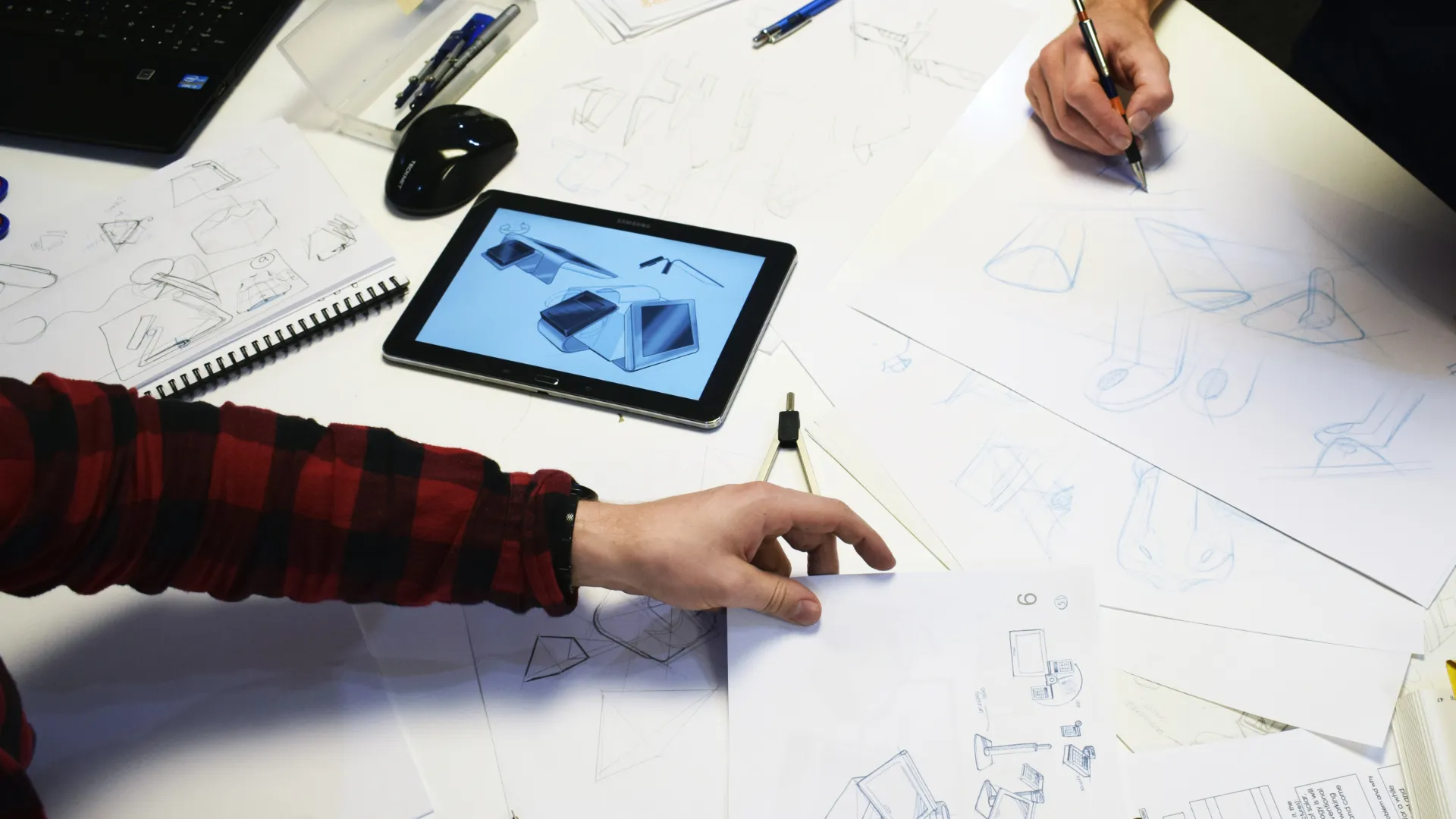
We generate as many concept directions as possible, exploring the full range of what your product could be through sketching, 3D modelling and rapid physical rigs. Only by exploring broadly can we be confident we have not missed the best answer. From that wide exploration, we narrow down to the one concept that best balances desirability, feasibility and viability for your specific market and customer.
More on concept designStage 3
Sustainable & responsible design
Responsibility is not a layer we add at the end. It starts here.
From the first concept sketch, we apply the Design Compass to embed environmental and social thinking into every design decision: materials, end of life, supply chain impact and social value. As a certified B Corp, we hold ourselves to independently verified standards of responsible practice, and we bring that rigour to every project we take on. Designing responsibly takes more time and more due diligence on supply chains and materials; but the rewards speak for themselves. Products that are better for people and planet are more marketable, use fewer of the world's resources in their production, use and disposal, and last longer in the hands of the people who buy them.
More on environmental product designStage 4
Industrial design & human-centred design
Great products delight the people they are designed for.
Our industrial designers apply human-centred design principles to shape how your product looks, feels and functions in the hands of your target customer. We use ergonomics, anthropometric data and user interaction modelling to ensure the product is intuitive, comfortable and genuinely pleasurable to use; not just functional. A product that delights its user is a product that earns loyalty, generates word of mouth and lasts in the market.
More on industrial designStage 5
Patent & IP strategy
IP is not just protection. It is business strategy.
The most marketable solution is the strongest commercial protection a product can have; a product that delights its customers is inherently harder to displace. But IP adds a formal protective layer, and it comes in many forms: patent, registered design rights, trademarks and copyright. Knowing what to apply, when to file and how each layer supports your commercial roadmap is a strategic decision, not an administrative one. We work with you to think through your IP strategy alongside your own or our recommended IP attorneys, so protection is built into the development process from the start.
More on patents and IPDevelop
Prove the market needs your solution.
Stage 1
Detail design & DFMaA
This is where your concept becomes a product someone can actually make.
We develop your chosen concept in full CAD with design for manufacture and assembly (DFMaA) in mind; going further than standard DFM to ensure every component can be built, assembled and costed with precision. Our sustainable and responsible design process runs in parallel throughout: material choices, supply chain considerations and end-of-life thinking are built into the developing design at every iteration, not added later. We take that developing design to our supply network early, gathering real manufacturing feedback and cost indications that feed directly back into the CAD.
More on detail design and CADStage 2
Prototyping to MaVP
We build many prototypes. We do it quickly and cheaply. We do it to learn.
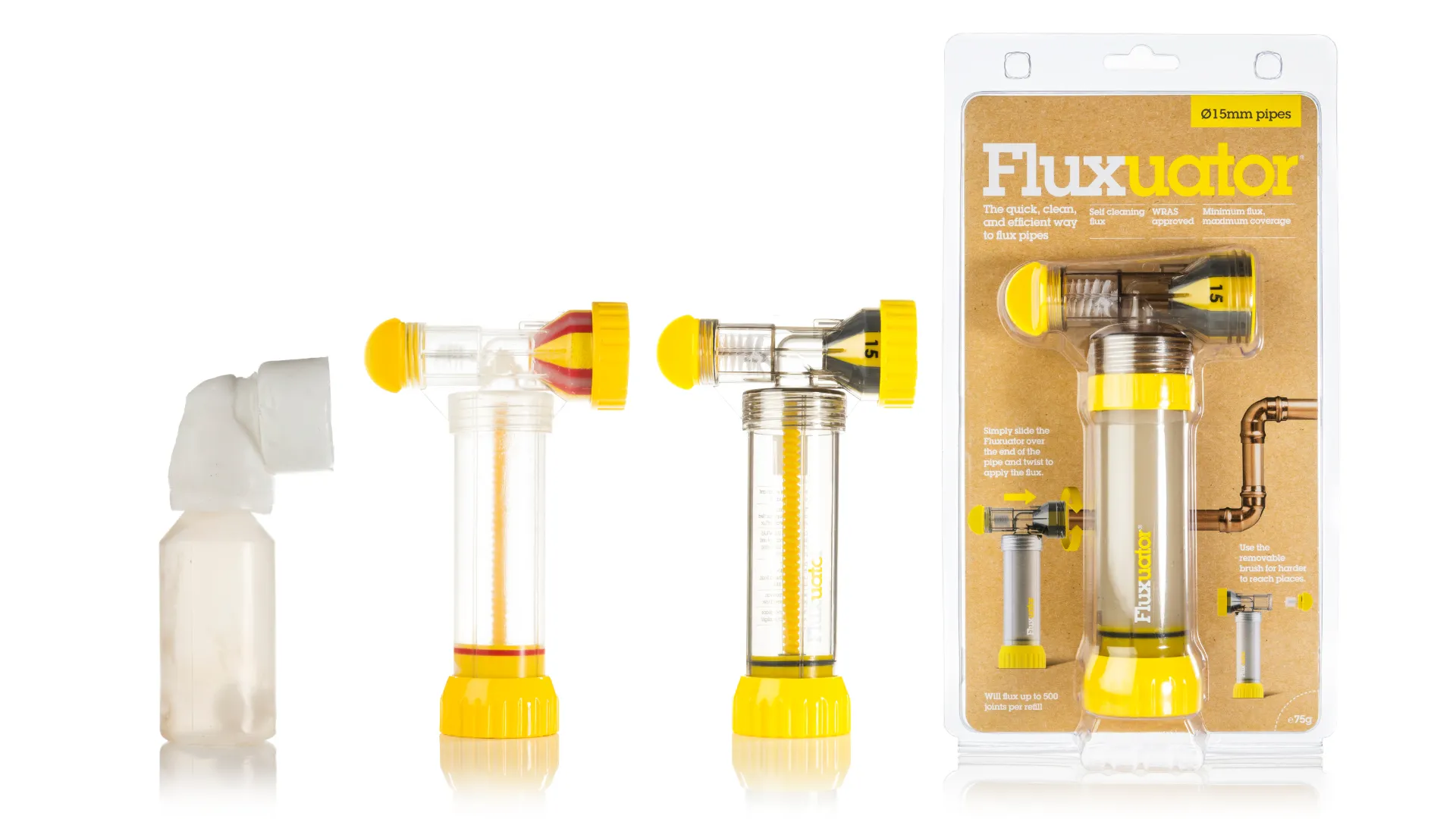
Prototyping in the Develop phase is about learning as fast as possible at the lowest possible cost. We build multiple proof-of-concept prototypes, each one testing a specific assumption: does this mechanism work, does this form feel right, does this assembly make sense. Each prototype teaches us something that goes back into the design. The phase ends when we have your Market Validated Prototype (MaVP): something you can take to your market and say with confidence: it will work like this, look like this and cost you this much.
More on prototypingStage 3
Standards & de-risking
We ensure compliance and its testing are planned in throughout development.
We identify the relevant safety standards, certifications and regulatory requirements in the Discover phase and plan the compliance strategy before development begins. In the Develop phase we start working and executing that strategy; engaging test houses, mapping requirements against the developing design and ensuring your MaVP is already on a clear path to certification before any significant investment is made. Early engagement means your testing timeline is built into the project plan.
More on safety testingStage 4
Market validation
It will work like this, look like this and cost you this much.
That is what your MaVP allows you to say to your market with confidence. We work with you to put your Market Validated Prototype in front of your target customers to answer three questions: does it solve the problem we set out to solve, does it do so in a way that delights them, and would they pay what it costs to make it profitably. This validation gives clients and investors the confidence to commit to the engineering and production investment that follows.
More on the MaVPStage 5
MAQL: quality standards defined
Quality is not inspected in at the end. It is designed in from the start.
Ensuring quality is embedded in every design decision is the purpose of the Minimum Acceptance Quality Level (MAQL): the agreed standard against which every part, assembly and finished product will be judged in production. In the Develop phase we identify and agree those quality acceptance levels with the client and manufacturing partners; enough to get accurate cost indications from our supply network and ensure everyone is aligned before the detailed MAQL work is completed in the Engineer phase.
Stage 6
Brand & packaging ready
How your product is presented at validation changes how it is perceived. We help clients validate the whole customer experience.
When validating your development work, how the product is presented directly influences feedback and perception. Through our trusted partner network, we present your MaVP in brand identity and packaging that is representative of the final product; so your target customers are responding to the whole proposition, not just the mechanism. Their feedback is more accurate, more useful and more compelling to the investors and buyers who come next.
More on branding and packagingEngineer
Make it manufacturable. Make it certifiable.
Stage 1
Full DFMaA & manufacturing drawings
This is where we do the heavy engineering lifting.
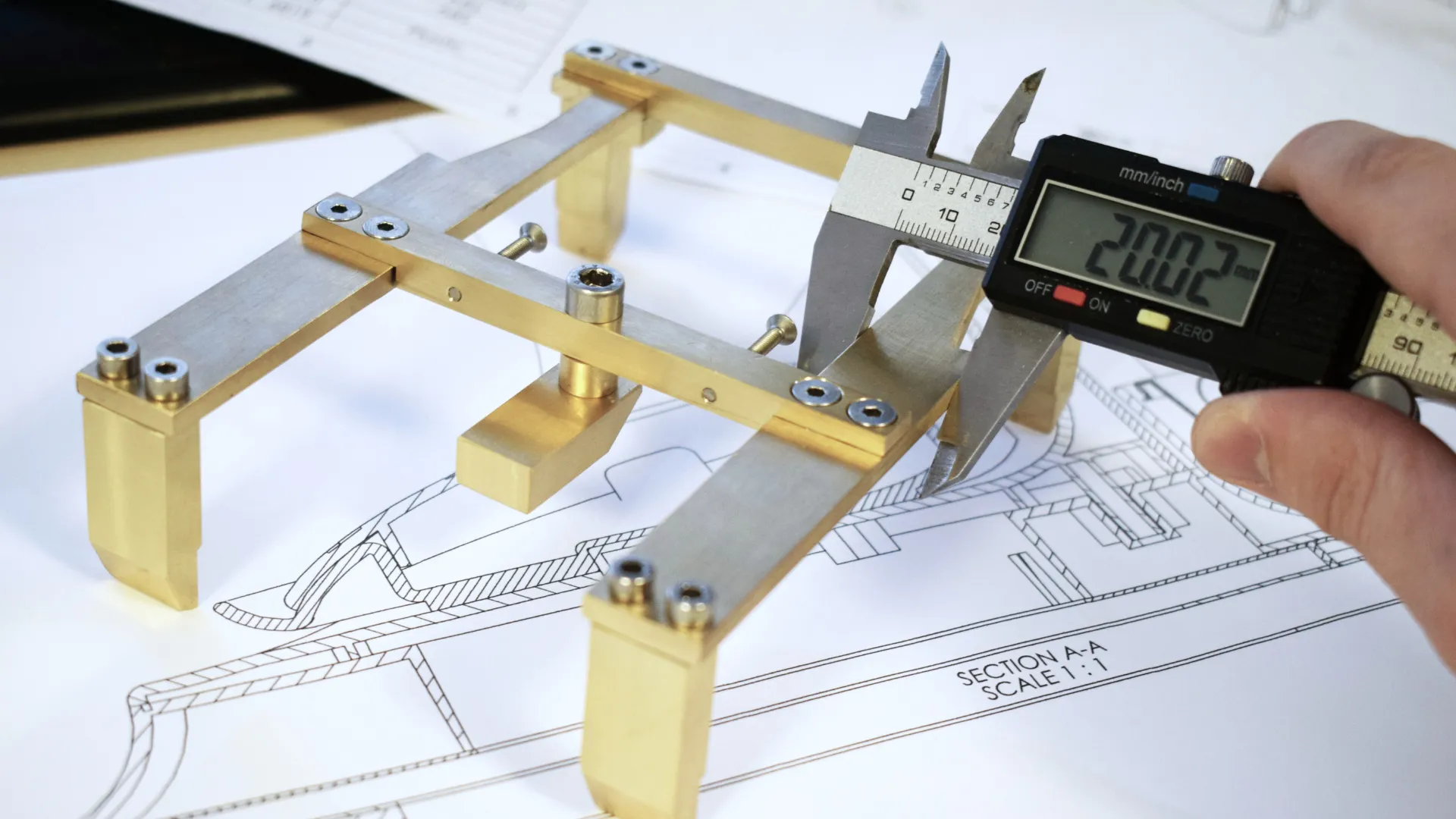
With your MaVP approved and the market confirmed, we go further with design for manufacture and assembly; working in close collaboration with our global supply network to ensure every component, tolerance and assembly sequence is optimised for production. We produce full manufacturing input drawings and iterate the CAD continuously against real supplier feedback, so the design that goes to tooling is one our manufacturing partners have already interrogated and costed with confidence. Our sustainable and responsible design process continues here; final material and supply chain decisions are made with environmental and social impact in mind.
More on product design engineeringStage 2
Pre-Manufacture Prototype (PMP)
The prototype made from production data, tested and approved before tooling capital is committed.
The Pre-Manufacture Prototype is the bridge between design and production. We aim to make it in conjunction with the manufacturer using near-production processes; the PMP is the version you test, validate and approve before tooling investment is committed. It is the last opportunity to refine the form and function of the design before significant capital is spent; and because we have built the engineering rigour of the Engineer phase into it, it is fully representative of what will come off a production line.
More on prototypingStage 3
Tooling management
Tooling is a long-term capital investment. We take that very seriously.
Once the PMP is approved, tooling can represent the single largest investment in your product journey. We manage the entire tooling process on your behalf: commissioning, test shots, iterative approvals and revisions until the parts coming off tool are fully representative of the signed-off design. Every test shot is reviewed against the agreed MAQL standards. When tooling delivers parts that match the design exactly, we create the Final Engineering Prototype for client and market sign off.
More on manufacture and toolingStage 4
Final Engineering Prototype (FEP)
The last approval before production begins.
The Final Engineering Prototype is a set of fully production-representative prototypes; built from tooled parts, assembled as they will be on the production line, and presented in packaging where relevant. This is the version the client and market approve before the Deliver phase begins. It is the confirmation that everything Bang, the client and the manufacturer have worked towards in the Discover, Develop and Engineer phases is exactly as it should be.
More on manufacture and FEP sign-offDeliver
We are with you to ensure the product is made to agreed quality, agreed cost and delivered on time.
Stage 1
Production line setup & Beta run
Tools move to the line. The real test begins.
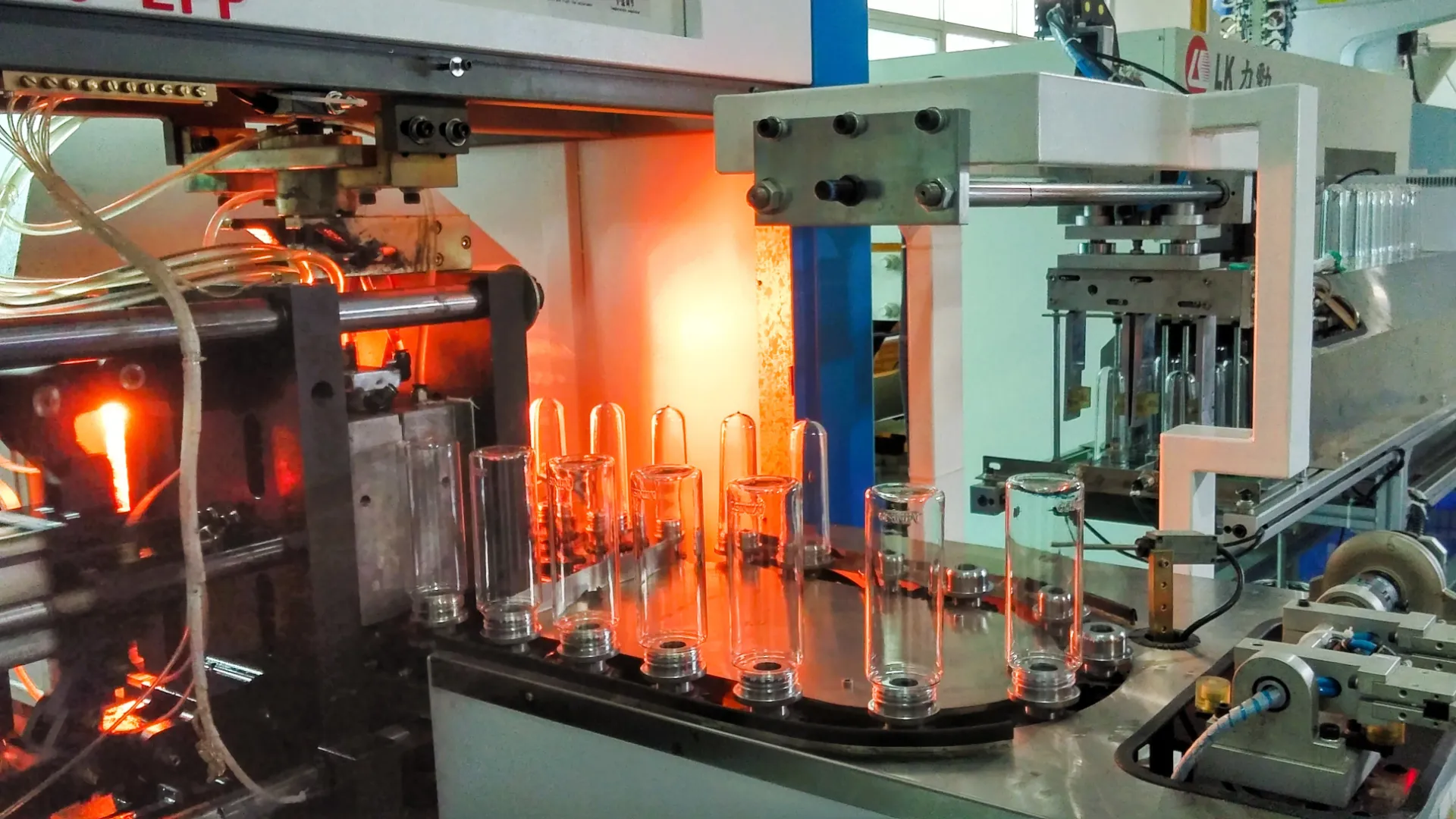
Moving tooling to the production line and setting up the assembly process is a critical transition that demands careful management. We oversee that transition and manage the Beta production run: the first full production output, used to validate that the tooling works, the assembly line works and the quality of product coming off the line meets the MAQL standards agreed in the Develop phase. The Beta product then goes into market; giving you real-world confirmation before full production volume is committed.
More on product productionStage 2
MAQL & QA/QC in production
Every part, every assembly, every finished product is measured against pre-agreed quality standards.
The Minimum Acceptance Quality Level (MAQL) framework agreed in the Develop phase and developed in detail through the Engineer phase comes into full operation here. Every part, assembly and finished product is measured against the pre-agreed acceptance levels; with third-party inspection engaged where appropriate to provide independent verification. We aim for there to be no surprises for you, us, or your manufacturer, because quality was designed in from the start.
More on production quality controlStage 3
Production management
We hand-hold you through production, or we manage it entirely on your behalf.
You may want to manage your own production relationship once the line is running, or you may want Bang to remain the experienced hand throughout. We offer both. Whether we are guiding your team through their first production run or managing suppliers, schedules, QA sign-off and delivery directly, our goal is the same: your product made to agreed quality, agreed cost and delivered on time, every time.
More on production managementAdditional services
Specialisms we bring in wherever a project needs them, rather than at one fixed phase of the journey.
- UX/UI design Whether you’re building a new product or improving an existing one, our UX/UI design process helps you create digital products that users love.
- Ergonomics and anthropometrics Ergonomics, also known as human factors, is the science concerned with the understanding of the limitations of human performance both physically and cognitively. This is then applied to the design of products and systems to fit the people that use them.
- Electronic product development Consumers demand more from their electronic products: Smaller, thinner, and longer lifetimes. We design, develop and deliver electronic products all the way from initial concepts, through prototyping and into production.
- Product photography Product photography can happen at different stages of the design process. We use our network of talented photographers to produce photos for a number of reasons.
- Product design costing Our aim with each project we take on is to create something that is both innovative and marketable. It is important to consider commercial viability all the way through a project so that the concept does not stray from it’s end goal of reaching consumers.