User Experience and User Interface
At Bang Creations, we don’t just design interfaces, we design experiences that convert.
Every step is designed to ensure your product is not only functional but also delightful to use and is centred around creating intuitive and user-focused digital experiences that drive results.
Research, Analyse and Define
The first phase of our UX/UI design process is all about understanding and defining the problem we’re solving.
We begin with user research to uncover key insights into user behaviour, pain points, and expectations and this includes competitor analysis and reviewing market trends to identify industry standards and potential opportunities for differentiation.
With research complete, we move into the analysis and definition stage, where we create a clear problem statement and develop detailed user personas. These elements form the foundation for the ideation and design phases, ensuring every decision is backed by real user data.
Ideate, Design and Prototype
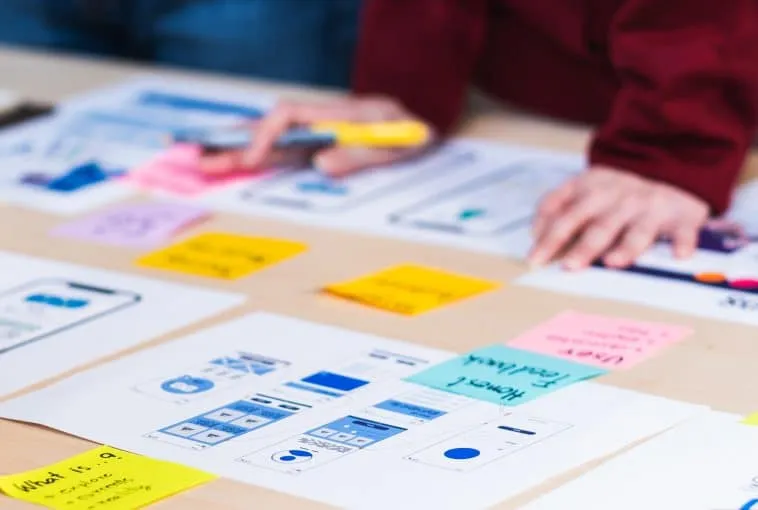
This is where your UX/UI project starts to take shape. Using insights from the research phase, we begin ideating solutions that directly address user needs and solve real problems.
In the design phase, we evaluate and refine these concepts into detailed wireframes and polished UI elements. Together, we’ll select the direction that best balances usability with commercial impact.
Your chosen design is bought to life through interactive prototypes built in Figma. These high-fidelity mockups simulate the complete user experience, allowing for realistic previews, user testing, and stakeholder feedback before development begins.

Test, Iterate and Launch
The final stage of our UX/UI design process focuses on refining the experience.
With a fully developed Figma prototype, we conduct user testing to gather feedback on usability, functionality, and overall user experience. Based on this feedback, we make targeted improvements to ensure the design is intuitive and effective.
Once the prototype is fully refined, we prepare for launch by handing over the final Figma design to our development team. Figma’s collaborative tools allow for a seamless developer handoff, ensuring that the transition from design to build is smooth, efficient, and true to the original vision.
Research, Analyse and Define
Our UX/UI process starts with a clear understanding of your users and market.
Through this first stage we
- Conduct user research,
- Complete Competitor analysis, and
- Define the core problem.
We then develop a focused problem statement and create detailed user personas, forming a solid foundation for ideation and design. Each phase builds on the last, ensuring a consistent, user-centred approach that drives better product decisions.
Research
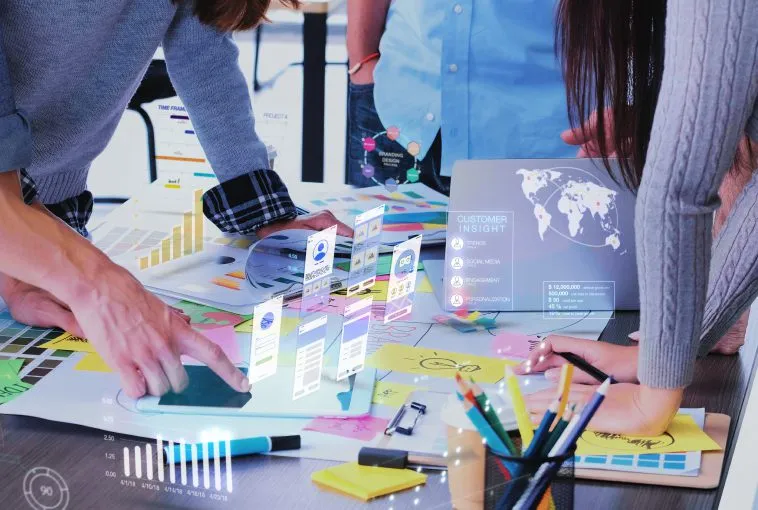
At the start of every UX/UI design project, we begin with one crucial step: research.
This foundational phase ensures that every design decision is informed by real data, user behaviour, and business goals.
We focus on uncovering key insights by exploring the problem space, identifying user needs, behaviours, and pain points from which we gain clarity on the challenges your users face and the outcomes your business is striving to achieve.
This includes comprehensive market research to uncover current industry trends and conduct detailed competitor analysis. This allows us to position your digital product or service strategically within your market.
The research stage provides a deep understanding of your users’ goals, expectations, identifying what motivates your users and what frustrates them and lays the groundwork for a user-centred design approach that leads to intuitive, effective, and engaging digital experiences.
Analyse
Once we've gathered research, the next step is analysis. Analysing user research helps us make sense of the data and uncover meaningful insights that guide the design process.
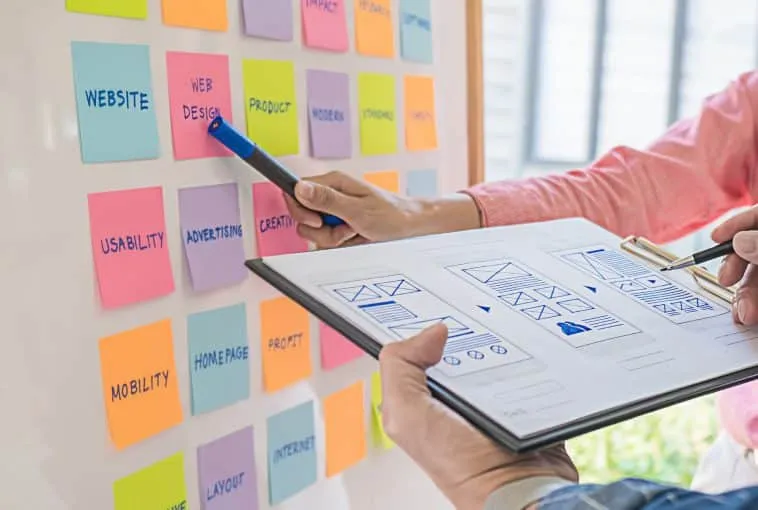
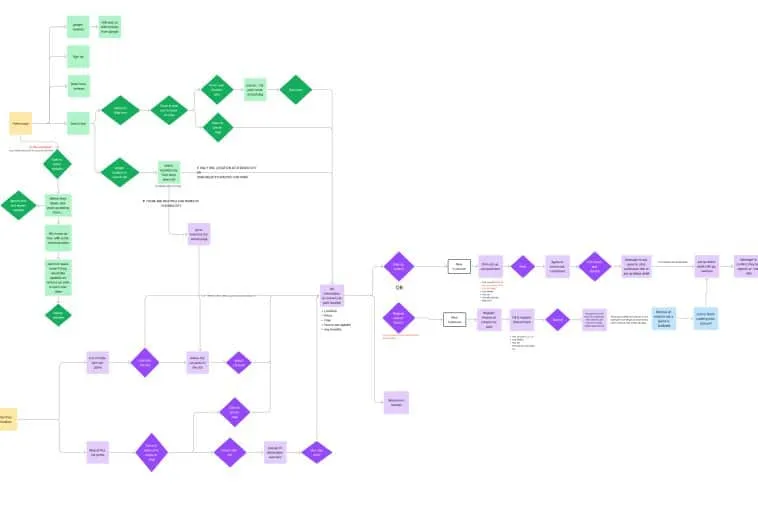
We look for patterns and trends from the research to identify key findings and problem arears. This could involve creating affinity maps and journey maps to concisely summarise our research findings.
Affinity maps help us to organise qualitative data from user research into patterns to help identify key insights and trends.
We also do user journey mapping to help visualise the entire experience a user goes through, identifying touchpoints, emotions and pain points. Journey mapping helps us identify opportunities for improvement and innovation across the entire user experience.
Analysing research bridges the gap between raw data and meaningful design decisions. It ensures we're solving the right problems and sets the stage for designing intuitive, user-centric solutions.
Define
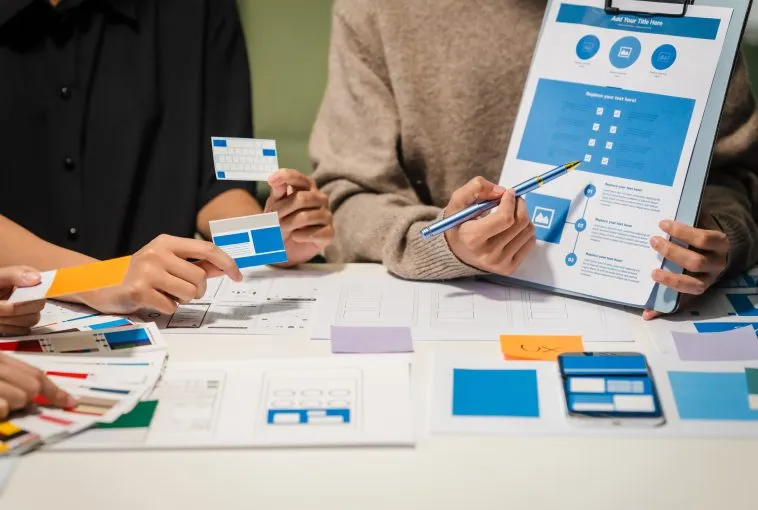
Great design starts with a clear understanding of the problem. Using insights from our research analysis, we identify the real issues users face and frame them into actionable design goals.
We then craft a problem statement that clearly articulates the core challenges and core goals. This keeps the project focused and ensures that our solutions are grounded in real user needs.
Alongside defining the problem, we identify key user journey goals and uncover opportunities for improvement across the digital experience.
We create detailed user personas to represent different types of users. Each persona reflects distinct goals, behaviors, and challenges, which allows us to design with empathy and precision. These personas also play a key role in shaping the problem statement and design direction.
By clearly defining the scope and objectives, we set a solid foundation for the design process, ensuring that every decision aligns with the users' needs and the overall project goals.
Ideate, Design and Prototype
In this stage of the UX/UI design process, we transform research insights into actionable ideas.
We brainstorm and explore creative solutions that address key user needs.
The strongest concepts are developed into wireframes and refined into polished visual designs.
Finally, we build high-fidelity, interactive prototypes in Figma to simulate the final user experience.
Ideate
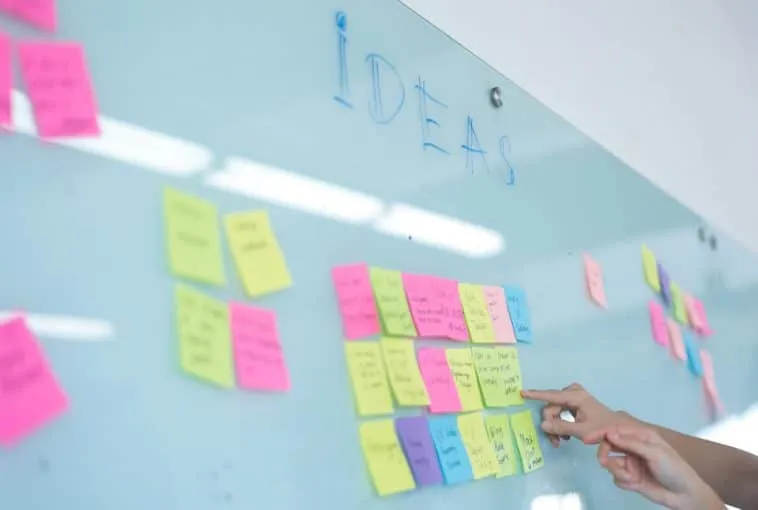
During the ideation phase, we generate a broad range of ideas and design solutions that directly address the problem statement identified during research. User needs remain at the forefront of this collaborative process, as we aim to think creatively and evaluate all possibilities.
To encourage innovation, we bring together designers with diverse skillsets and use a variety of ideation techniques, such as brainstorming sessions, rapid sketching, storyboarding, and collaborative workshops. This approach ensures that multiple perspectives are considered, leading to a well-informed and user-centered design direction.
Design
From Wireframes to High-Fidelity UX/UI Design
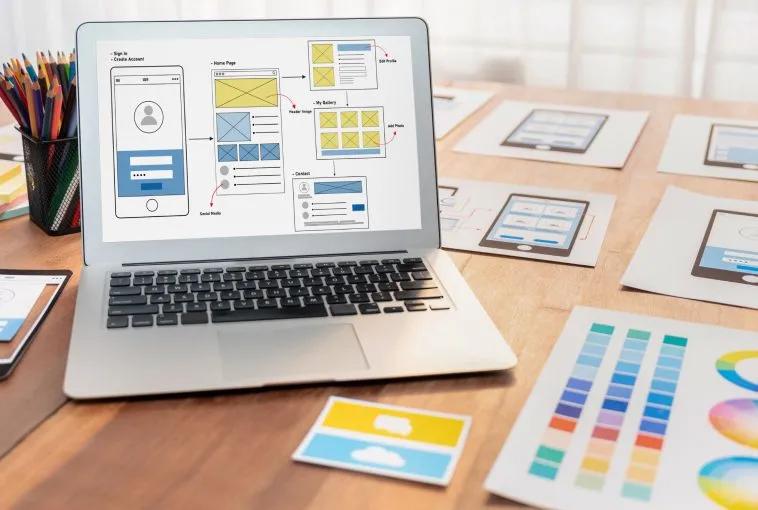
With a clear direction established during the ideation phase, the design stage focuses on transforming ideas into functional, visually engaging solutions.
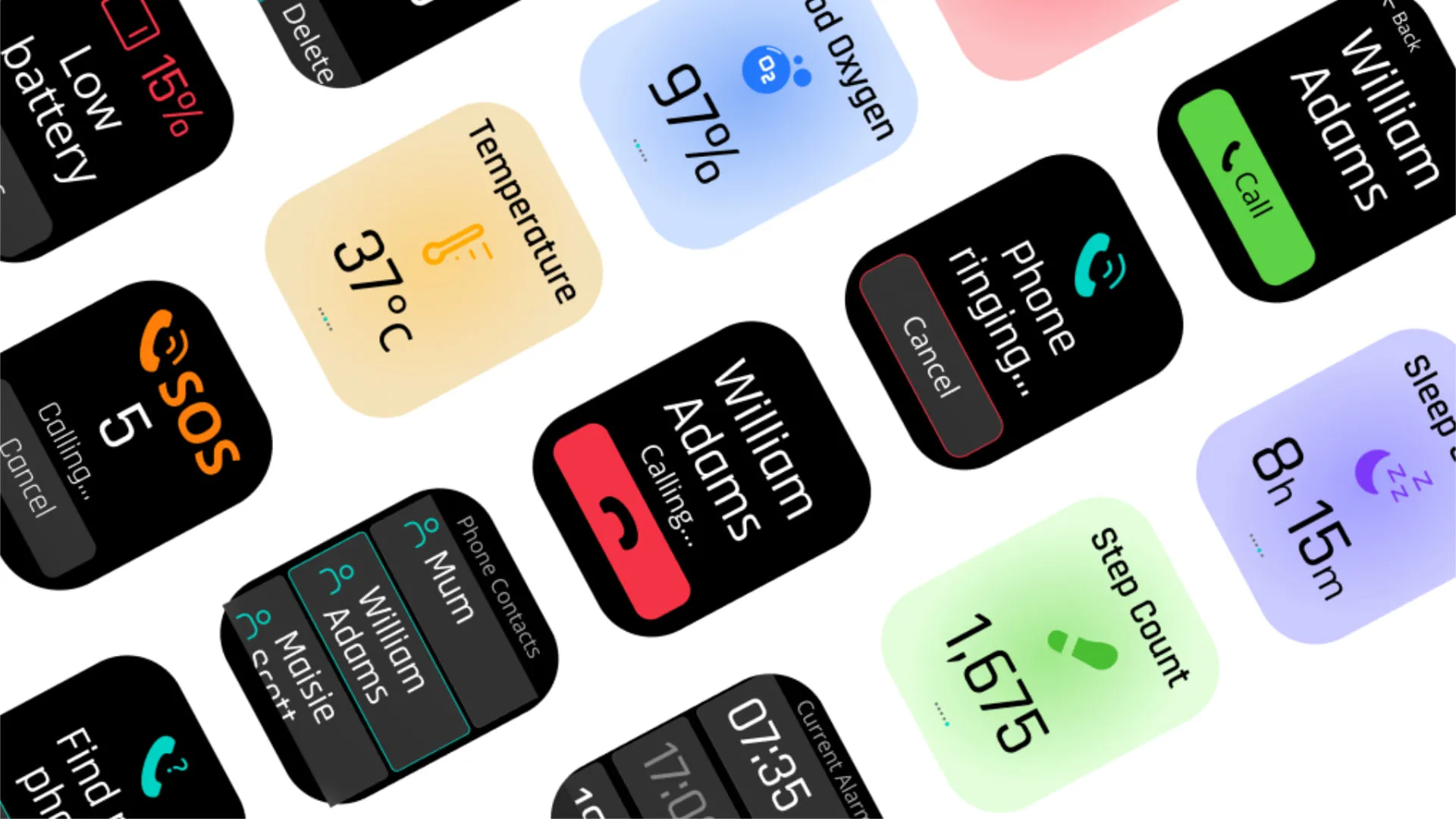
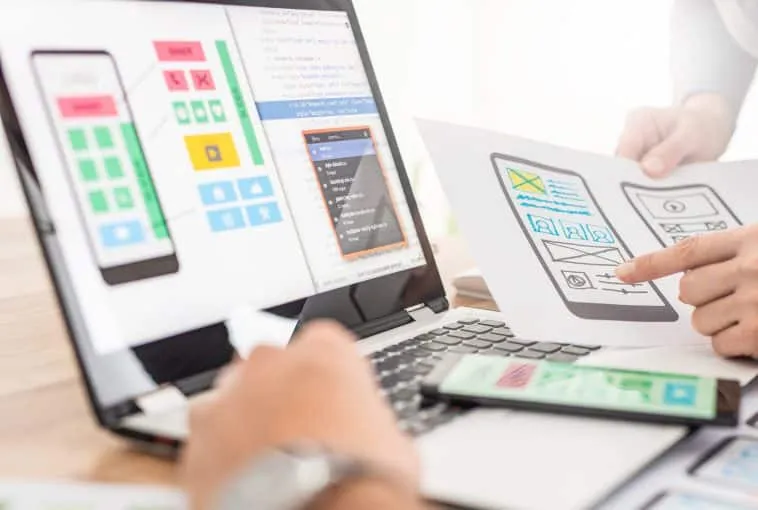
We begin by creating wireframes, simple, low-fidelity outlines of the user interface. These wireframes are produced quickly to map out the core layout, user flow, and placement of key elements like buttons, content blocks, and navigation. They help define the structure of key pages without the distraction of visual design.
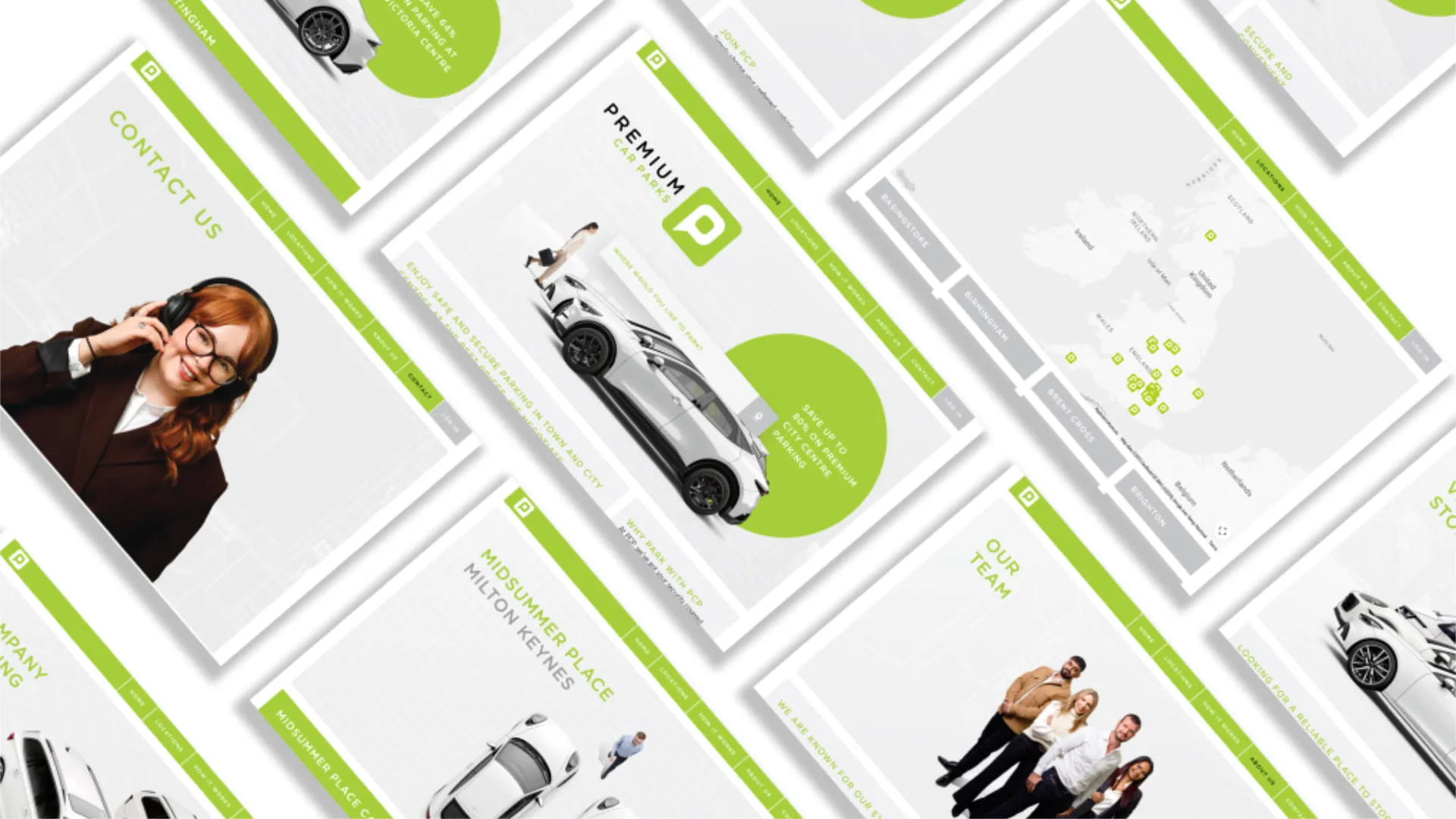
Once the wireframes are validated, we progress to visual design. This includes applying colour schemes, typography, icons, and other brand assets to create a cohesive, visually appealing interface. The goal is to deliver a design that enhances the user experience while aligning with the product’s identity and brand guidelines.
Throughout this phase, we ensure the design is fully responsive, optimized to work seamlessly across all screen sizes and devices, from mobile to desktop.
By the end of this stage, we deliver high-fidelity mockups that accurately represent the final product experience.
Prototype
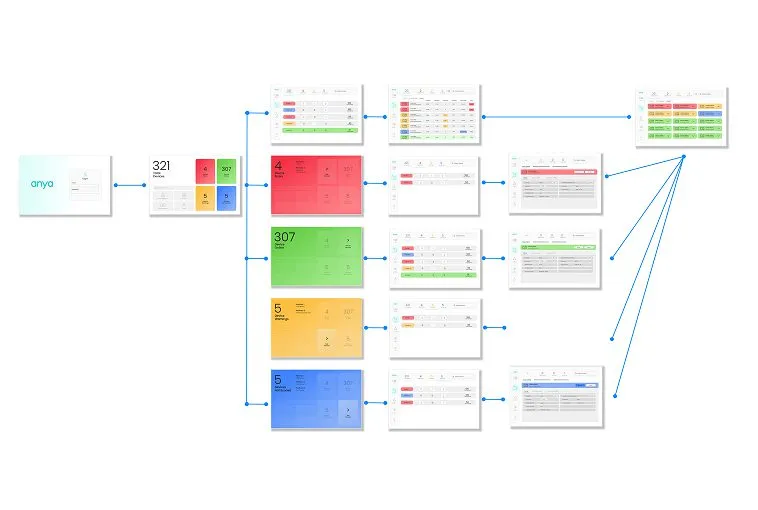
In the prototyping stage, we take the high-fidelity wireframes and turn them into clickable prototypes which are interactive and simulate how the product will work like clicking buttons, hover effects, navigating and transition through flows.
Interaction design is also important, here we consider how a user interacts with the product. This includes navigation, transitions and animation that help guide a user making the experience engaging and most importantly a smooth journey.
Prototyping helps refine design elements and ensures everything works as intended before development.
Test, Iterate and Launch
In the final stage of the UX/UI design process, we focus on refining the design to ensure it meets both user needs and project objectives. After developing a high-fidelity prototype in Figma, we conduct user testing to gather feedback and identify any areas for improvement.
Based on these insights, we iterate on the design to enhance usability and performance. Once the design is validated and finalized, we prepare for developer handoff. Figma’s collaboration features ensure a seamless transition, allowing developers to easily access design specifications, assets, and interaction details, streamlining the path from concept to launch.
Test
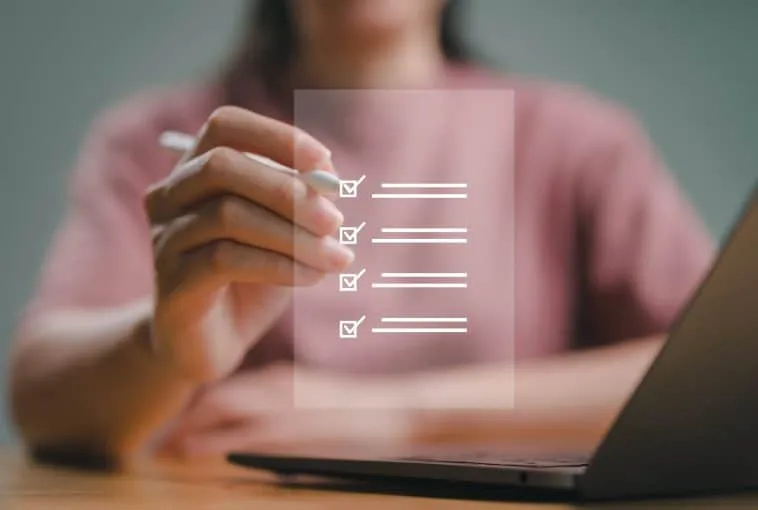
Once a high-fidelity, clickable prototype is ready, we conduct usability testing to gather feedback from both users and stakeholders. This feedback is essential for identifying usability issues, friction points, and opportunities for improvement before development begins.
During testing, users are asked to complete specific tasks using the prototype. Observing how efficiently they navigate the interface, without external guidance, helps us uncover problems with navigation, task flow, and overall usability.
This stage is a critical part of the UX/UI design process, as it validates the design’s effectiveness and highlights potential pain points early. Key outcomes include insights into task completion rates, ease of navigation, and user satisfaction, all of which inform final design refinements.
Iterate
Following usability testing, we refine the prototype based on feedback from users and stakeholders. This involves addressing identified issues, making usability improvements, and enhancing the overall user experience.
Once updates are made, we conduct another round of testing to ensure the changes effectively resolve previous problems without introducing new ones. This iterative process may repeat multiple times, allowing us to continuously improve the design until it meets both user needs and business objectives. It ensures the final product effectively solves the original problem statement and is ready for development.

Launch
After completing the final design iterations, we move into the product launch phase, making the solution available to users. A smooth handover to developers is facilitated through Figma, which allows developers to inspect design elements such as colors, typography, and spacing, access exportable assets like images and icons, and view precise CSS and layout specifications for efficient implementation.
Throughout the development process, we maintain close collaboration with our developers. We conduct regular snagging (QA) checks to ensure the final build aligns accurately with the designs in Figma.
The launch is a streamlined effort between design and development teams, ensuring the final product matches the visual design, user experience, and functionality validated during previous stages.