
06 January 2026
Inclusive Design: Accessible Home Health Devices for People with Limited Ability

Back
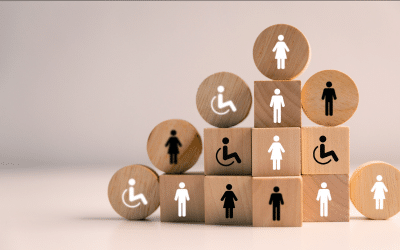
Designing home health devices for people with limited physical or cognitive ability requires more than intuitive functionality it demands a commitment to inclusivity, dignity, and real-world usability from the very beginning.
At Bang Creations, we apply a structured, human-centred development process to create products that empower users, reduce daily friction, and improve quality of life. Drawing on our experience designing mobility aids, lift assists, and adaptive accessories, this case study outlines how inclusive design principles guide the development of accessible home health devices.
What is Inclusivity?
Inclusivity means designing products, services, environments, or experiences so that as many people as possible can use them safely, comfortably, and effectively, regardless of their physical, cognitive, sensory, or situational limitations.
It goes beyond simply “accommodating” disabilities it’s about intentionally considering diverse abilities from the very beginning, so no user is left out, disadvantaged, or forced into a workaround.
In design, inclusivity involves thinking about:
- Different levels of strength, mobility, dexterity
- Visual, auditory, or cognitive differences
- Age-related changes
- Temporary or situational limitations
- Cultural and environmental factors
Ultimately, inclusivity is about creating solutions that respect individual differences, remove barriers, and give everyone the ability to participate fully and independently.
Taking Inclusivity to understanding the User: Designing with Real Lives in Mind
People with limited ability often face a combination of physical, cognitive, and environmental challenges. These can include:
- Reduced grip strength or dexterity
- Limited mobility or range of motion
- Visual or sensory impairments
- Fatigue or pain during everyday tasks
- Cognitive load issues such as memory, sequencing, or attention
To design effectively, we begin with deep user insight. Bang Creations conducts:
- Observations and research
- Task analyses
- Interviews with users, carers, and clinicians
- Accessibility and ergonomic profiling
These sessions reveal subtle barriers, awkward grips, complicated mechanics, hard-to-clean surfaces, that lead to frustration or reduced independence. Understanding these pain points early ensures the device is inclusive from day one, not retrofitted late in development.
Concept Development: Creativity Grounded in Inclusivity
With real-world insights identified, we explore multiple concept directions that prioritise:
- Effortless operation
- Clear visual and tactile cues
- Minimal cognitive load
- Safe, repeatable movements
- Compatibility with small or cluttered home environments
Our designers and engineers work together on:
- Sketch ideation
- Ergonomic modelling
- Mechanical feasibility studies
- Material and surface exploration
- Low-fidelity interaction rigs
For many users, even small barriers, a stiff button, a slippery grip, or an unclear sequence, can turn an otherwise accessible device into an inaccessible one.
Early concept testing helps us identify and eliminate these barriers long before engineering begins, ensuring we are designing the right product from the start.
Back


06 January 2026
Inclusive Design: Accessible Home Health Devices for People with Limited Ability
Back
Designing home health devices for people with limited physical or cognitive ability requires more than intuitive functionality it demands a commitment to inclusivity, dignity, and real-world usability from the very beginning.
At Bang Creations, we apply a structured, human-centred development process to create products that empower users, reduce daily friction, and improve quality of life. Drawing on our experience designing mobility aids, lift assists, and adaptive accessories, this case study outlines how inclusive design principles guide the development of accessible home health devices.
What is Inclusivity?
Inclusivity means designing products, services, environments, or experiences so that as many people as possible can use them safely, comfortably, and effectively, regardless of their physical, cognitive, sensory, or situational limitations.
It goes beyond simply “accommodating” disabilities it’s about intentionally considering diverse abilities from the very beginning, so no user is left out, disadvantaged, or forced into a workaround.
In design, inclusivity involves thinking about:
- Different levels of strength, mobility, dexterity
- Visual, auditory, or cognitive differences
- Age-related changes
- Temporary or situational limitations
- Cultural and environmental factors
Ultimately, inclusivity is about creating solutions that respect individual differences, remove barriers, and give everyone the ability to participate fully and independently.
Taking Inclusivity to understanding the User: Designing with Real Lives in Mind
People with limited ability often face a combination of physical, cognitive, and environmental challenges. These can include:
- Reduced grip strength or dexterity
- Limited mobility or range of motion
- Visual or sensory impairments
- Fatigue or pain during everyday tasks
- Cognitive load issues such as memory, sequencing, or attention
To design effectively, we begin with deep user insight. Bang Creations conducts:
- Observations and research
- Task analyses
- Interviews with users, carers, and clinicians
- Accessibility and ergonomic profiling
These sessions reveal subtle barriers, awkward grips, complicated mechanics, hard-to-clean surfaces, that lead to frustration or reduced independence. Understanding these pain points early ensures the device is inclusive from day one, not retrofitted late in development.
Concept Development: Creativity Grounded in Inclusivity
With real-world insights identified, we explore multiple concept directions that prioritise:
- Effortless operation
- Clear visual and tactile cues
- Minimal cognitive load
- Safe, repeatable movements
- Compatibility with small or cluttered home environments
Our designers and engineers work together on:
- Sketch ideation
- Ergonomic modelling
- Mechanical feasibility studies
- Material and surface exploration
- Low-fidelity interaction rigs
For many users, even small barriers, a stiff button, a slippery grip, or an unclear sequence, can turn an otherwise accessible device into an inaccessible one.
Early concept testing helps us identify and eliminate these barriers long before engineering begins, ensuring we are designing the right product from the start.
06 January 2026
Inclusive Design: Accessible Home Health Devices for People with Limited Ability
Back
Designing home health devices for people with limited physical or cognitive ability requires more than intuitive functionality it demands a commitment to inclusivity, dignity, and real-world usability from the very beginning.
At Bang Creations, we apply a structured, human-centred development process to create products that empower users, reduce daily friction, and improve quality of life. Drawing on our experience designing mobility aids, lift assists, and adaptive accessories, this case study outlines how inclusive design principles guide the development of accessible home health devices.
What is Inclusivity?
Inclusivity means designing products, services, environments, or experiences so that as many people as possible can use them safely, comfortably, and effectively, regardless of their physical, cognitive, sensory, or situational limitations.
It goes beyond simply “accommodating” disabilities it’s about intentionally considering diverse abilities from the very beginning, so no user is left out, disadvantaged, or forced into a workaround.
In design, inclusivity involves thinking about:
- Different levels of strength, mobility, dexterity
- Visual, auditory, or cognitive differences
- Age-related changes
- Temporary or situational limitations
- Cultural and environmental factors
Ultimately, inclusivity is about creating solutions that respect individual differences, remove barriers, and give everyone the ability to participate fully and independently.
Taking Inclusivity to understanding the User: Designing with Real Lives in Mind
People with limited ability often face a combination of physical, cognitive, and environmental challenges. These can include:
- Reduced grip strength or dexterity
- Limited mobility or range of motion
- Visual or sensory impairments
- Fatigue or pain during everyday tasks
- Cognitive load issues such as memory, sequencing, or attention
To design effectively, we begin with deep user insight. Bang Creations conducts:
- Observations and research
- Task analyses
- Interviews with users, carers, and clinicians
- Accessibility and ergonomic profiling
These sessions reveal subtle barriers, awkward grips, complicated mechanics, hard-to-clean surfaces, that lead to frustration or reduced independence. Understanding these pain points early ensures the device is inclusive from day one, not retrofitted late in development.
Concept Development: Creativity Grounded in Inclusivity
With real-world insights identified, we explore multiple concept directions that prioritise:
- Effortless operation
- Clear visual and tactile cues
- Minimal cognitive load
- Safe, repeatable movements
- Compatibility with small or cluttered home environments
Our designers and engineers work together on:
- Sketch ideation
- Ergonomic modelling
- Mechanical feasibility studies
- Material and surface exploration
- Low-fidelity interaction rigs
For many users, even small barriers, a stiff button, a slippery grip, or an unclear sequence, can turn an otherwise accessible device into an inaccessible one.
Early concept testing helps us identify and eliminate these barriers long before engineering begins, ensuring we are designing the right product from the start.