
01 April 2026
Designing Baby and Wellbeing Products for Longer Life.

Back
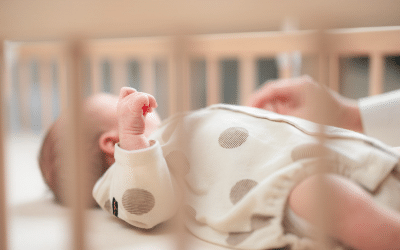
In today’s market, product success is no longer just about launching something new. Brands are designing baby and wellbeing products for longer life, which perform better and reduce environmental impact while still driving commercial growth.
Parents and buyers are becoming more discerning. They want products that solve real problems, are easy to use every day, and are mindful of the potential short lifecycle. For product brands, this creates a powerful opportunity and creates competitive advantage
It's now important to offer quality materials, thoughtful ergonomics, and product durability which strengthens brand positioning.
Why Product Longevity Matters in Baby & Wellbeing Markets
Baby and wellbeing products are used in some of the most demanding environments possible. They must withstand:
- Daily cleaning and sterilisation
- Rapid growth and changing user needs
- Safety requirements
- Emotional purchasing decisions from parents and carers
Short product lifecycles create problems for both brands and consumers. For brands, they increase returns, warranty costs, and customer dissatisfaction. For consumers, they create clutter and unnecessary environmental waste.
In addition, longevity is one of the most effective sustainability strategies for reducing environmental impact.
So how can design help?
Designing Reusable Baby Products:
Reusable design is not just an environmental strategy, it’s a revenue strategy which brings commercial benefits.
Reusable and modular products allow brands to engage with their customers creating longer term relationships which extend beyond the first purchase creating trust and brand loyalty. It also supports sustainability goals, along with consideration of alternative business models such as repairable and rentable solutions.
You see this in the marketplace currently product become systems, which brings longer buy in and then additional adds ons with the creation of accessory ecosystems. This increases the product lifetime and builds brand positioning.
For example, modular product systems allow brands to sell:
- Base products
- Upgrade components
- Replacement parts
- Add-on accessories
This approach transforms a single product into a long-term revenue platform rather than a one-off sale.
Designing for Modular Products:
Instead of designing isolated products, this approach brings economic advantages by consolidation costs and creating focus.
For example:
- Shared frames or structural components
- Interchangeable textile parts
- Standardised fastening systems
- Upgradeable functional modules
This reduces manufacturing complexity while allowing product lines to expand more efficiently.
From a business perspective, modular design:
- Reduces tooling costs
- Simplifies supply chains
- Improves scalability
- Enables faster product innovation cycles
Designing smarter for the environment
Instead of focusing only on recycled materials, brands should consider:
- Designing products that do not need to be replaced frequently
- Creating repairable product systems
- Offering replacement parts
- Designing for second-life use
This approach aligns commercial success with environmental responsibility.
How We Help Brands Design Better Products
At Bang, our approach is focused on helping companies navigate the challenges of bringing successful baby and wellbeing products to market.
Through our experience working across the sector, including projects such as the Alora cot, Bubba Board, and Lap Baby, we combine practical product development knowledge with broader design thinking. This allows us to look beyond aesthetics and focus on performance, manufacturability, user experience, and commercial viability.
We support clients from early concept development through to production-ready design, helping to reduce risk, improve product performance, and strengthen market positioning.
If you are planning your next baby or wellbeing product, considering factors such as longevity, modularity, sustainability, and real-world performance early in the design process can significantly improve both commercial success and environmental impact.
Ready to develop your next product?
If you are developing baby, infant, or wellbeing products and want to explore how design can improve commercial performance and sustainability, get in touch to discuss your product development strategy.
Back


01 April 2026
Designing Baby and Wellbeing Products for Longer Life.
Back
In today’s market, product success is no longer just about launching something new. Brands are designing baby and wellbeing products for longer life, which perform better and reduce environmental impact while still driving commercial growth.
Parents and buyers are becoming more discerning. They want products that solve real problems, are easy to use every day, and are mindful of the potential short lifecycle. For product brands, this creates a powerful opportunity and creates competitive advantage
It's now important to offer quality materials, thoughtful ergonomics, and product durability which strengthens brand positioning.
Why Product Longevity Matters in Baby & Wellbeing Markets
Baby and wellbeing products are used in some of the most demanding environments possible. They must withstand:
- Daily cleaning and sterilisation
- Rapid growth and changing user needs
- Safety requirements
- Emotional purchasing decisions from parents and carers
Short product lifecycles create problems for both brands and consumers. For brands, they increase returns, warranty costs, and customer dissatisfaction. For consumers, they create clutter and unnecessary environmental waste.
In addition, longevity is one of the most effective sustainability strategies for reducing environmental impact.
So how can design help?
Designing Reusable Baby Products:
Reusable design is not just an environmental strategy, it’s a revenue strategy which brings commercial benefits.
Reusable and modular products allow brands to engage with their customers creating longer term relationships which extend beyond the first purchase creating trust and brand loyalty. It also supports sustainability goals, along with consideration of alternative business models such as repairable and rentable solutions.
You see this in the marketplace currently product become systems, which brings longer buy in and then additional adds ons with the creation of accessory ecosystems. This increases the product lifetime and builds brand positioning.
For example, modular product systems allow brands to sell:
- Base products
- Upgrade components
- Replacement parts
- Add-on accessories
This approach transforms a single product into a long-term revenue platform rather than a one-off sale.
Designing for Modular Products:
Instead of designing isolated products, this approach brings economic advantages by consolidation costs and creating focus.
For example:
- Shared frames or structural components
- Interchangeable textile parts
- Standardised fastening systems
- Upgradeable functional modules
This reduces manufacturing complexity while allowing product lines to expand more efficiently.
From a business perspective, modular design:
- Reduces tooling costs
- Simplifies supply chains
- Improves scalability
- Enables faster product innovation cycles
Designing smarter for the environment
Instead of focusing only on recycled materials, brands should consider:
- Designing products that do not need to be replaced frequently
- Creating repairable product systems
- Offering replacement parts
- Designing for second-life use
This approach aligns commercial success with environmental responsibility.
How We Help Brands Design Better Products
At Bang, our approach is focused on helping companies navigate the challenges of bringing successful baby and wellbeing products to market.
Through our experience working across the sector, including projects such as the Alora cot, Bubba Board, and Lap Baby, we combine practical product development knowledge with broader design thinking. This allows us to look beyond aesthetics and focus on performance, manufacturability, user experience, and commercial viability.
We support clients from early concept development through to production-ready design, helping to reduce risk, improve product performance, and strengthen market positioning.
If you are planning your next baby or wellbeing product, considering factors such as longevity, modularity, sustainability, and real-world performance early in the design process can significantly improve both commercial success and environmental impact.
Ready to develop your next product?
If you are developing baby, infant, or wellbeing products and want to explore how design can improve commercial performance and sustainability, get in touch to discuss your product development strategy.
01 April 2026
Designing Baby and Wellbeing Products for Longer Life.
Back
In today’s market, product success is no longer just about launching something new. Brands are designing baby and wellbeing products for longer life, which perform better and reduce environmental impact while still driving commercial growth.
Parents and buyers are becoming more discerning. They want products that solve real problems, are easy to use every day, and are mindful of the potential short lifecycle. For product brands, this creates a powerful opportunity and creates competitive advantage
It's now important to offer quality materials, thoughtful ergonomics, and product durability which strengthens brand positioning.
Why Product Longevity Matters in Baby & Wellbeing Markets
Baby and wellbeing products are used in some of the most demanding environments possible. They must withstand:
- Daily cleaning and sterilisation
- Rapid growth and changing user needs
- Safety requirements
- Emotional purchasing decisions from parents and carers
Short product lifecycles create problems for both brands and consumers. For brands, they increase returns, warranty costs, and customer dissatisfaction. For consumers, they create clutter and unnecessary environmental waste.
In addition, longevity is one of the most effective sustainability strategies for reducing environmental impact.
So how can design help?
Designing Reusable Baby Products:
Reusable design is not just an environmental strategy, it’s a revenue strategy which brings commercial benefits.
Reusable and modular products allow brands to engage with their customers creating longer term relationships which extend beyond the first purchase creating trust and brand loyalty. It also supports sustainability goals, along with consideration of alternative business models such as repairable and rentable solutions.
You see this in the marketplace currently product become systems, which brings longer buy in and then additional adds ons with the creation of accessory ecosystems. This increases the product lifetime and builds brand positioning.
For example, modular product systems allow brands to sell:
- Base products
- Upgrade components
- Replacement parts
- Add-on accessories
This approach transforms a single product into a long-term revenue platform rather than a one-off sale.
Designing for Modular Products:
Instead of designing isolated products, this approach brings economic advantages by consolidation costs and creating focus.
For example:
- Shared frames or structural components
- Interchangeable textile parts
- Standardised fastening systems
- Upgradeable functional modules
This reduces manufacturing complexity while allowing product lines to expand more efficiently.
From a business perspective, modular design:
- Reduces tooling costs
- Simplifies supply chains
- Improves scalability
- Enables faster product innovation cycles
Designing smarter for the environment
Instead of focusing only on recycled materials, brands should consider:
- Designing products that do not need to be replaced frequently
- Creating repairable product systems
- Offering replacement parts
- Designing for second-life use
This approach aligns commercial success with environmental responsibility.
How We Help Brands Design Better Products
At Bang, our approach is focused on helping companies navigate the challenges of bringing successful baby and wellbeing products to market.
Through our experience working across the sector, including projects such as the Alora cot, Bubba Board, and Lap Baby, we combine practical product development knowledge with broader design thinking. This allows us to look beyond aesthetics and focus on performance, manufacturability, user experience, and commercial viability.
We support clients from early concept development through to production-ready design, helping to reduce risk, improve product performance, and strengthen market positioning.
If you are planning your next baby or wellbeing product, considering factors such as longevity, modularity, sustainability, and real-world performance early in the design process can significantly improve both commercial success and environmental impact.
Ready to develop your next product?
If you are developing baby, infant, or wellbeing products and want to explore how design can improve commercial performance and sustainability, get in touch to discuss your product development strategy.